Directions
How to Visit Karahantepe
Near Keçili village in the Tektek Mountains, east of Şanlıurfa, southeastern Turkey. Use Şanlıurfa as a planning base and confirm the current entrance, route and visitor access before setting out.
Location reference: Ministry of Culture and Tourism. Information reviewed ; this is not confirmation of today's opening arrangements.
By Car
Confirm the entrance location with the local tourism office or your operator, then plan the drive from your actual departure point. Follow current road signs and site instructions rather than an unverified coordinate copied from an old guide.
By Guided Tour
The most convenient way to visit is with a guided tour that combines Karahantepe with Göbekli Tepe and the Şanlıurfa Archaeology Museum. Serendipity Tours offers expert-led archaeological tours to both sites with specialist guides.
Note: There is no public transport directly to Karahantepe. You will need a car, taxi, or guided tour to reach the site.
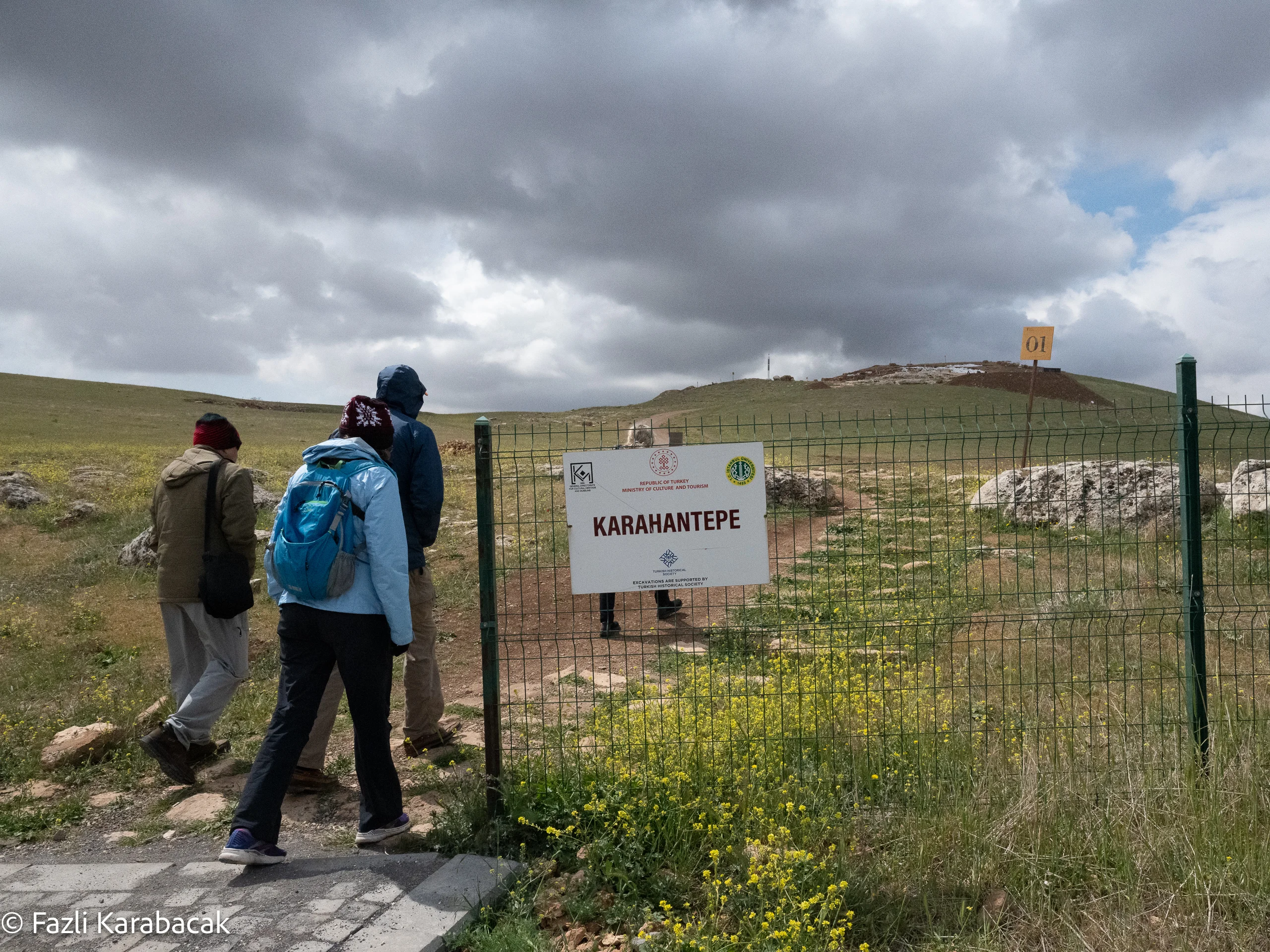
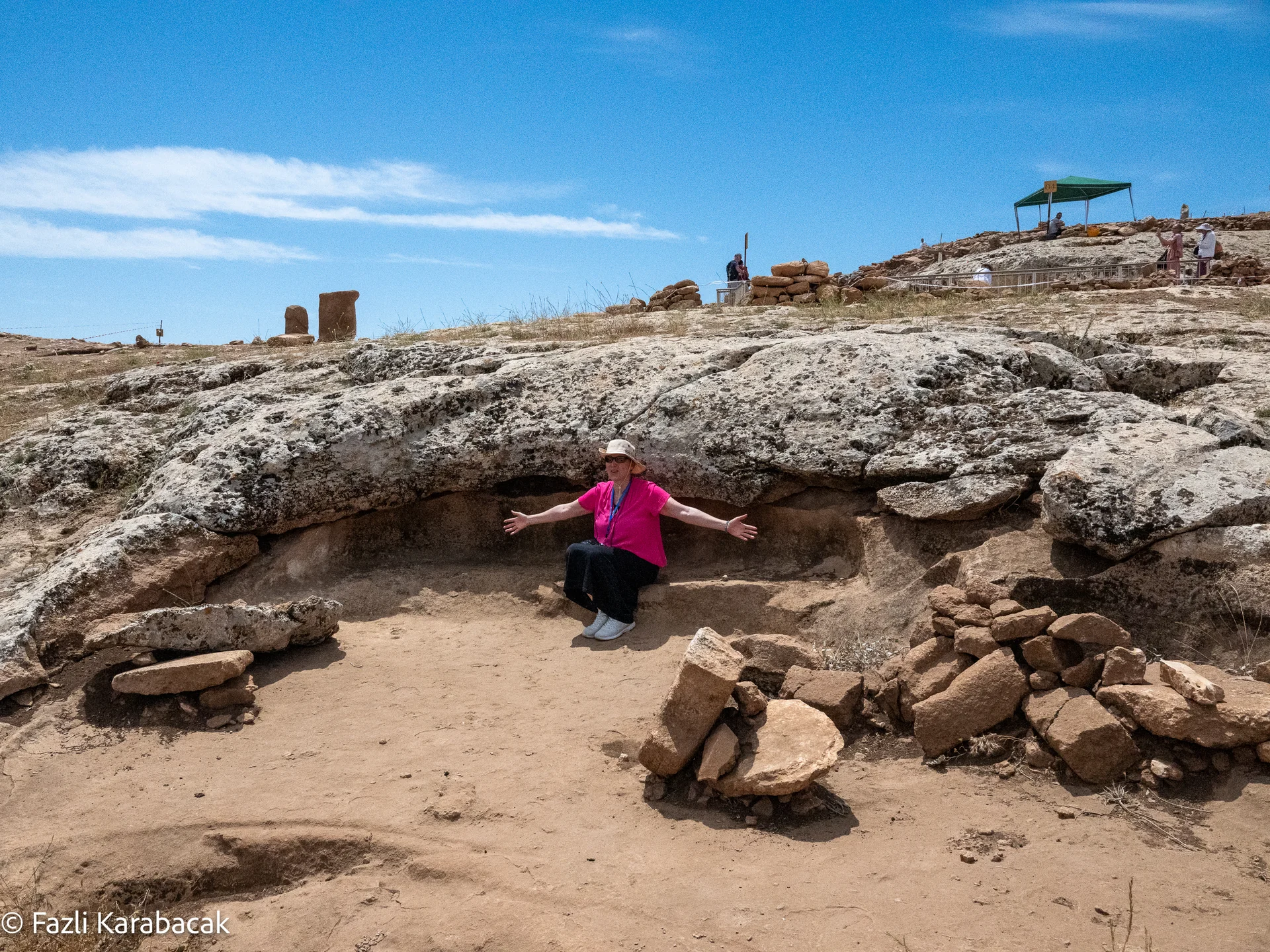
Karahantepe sits on a limestone ridge in the Tektek Mountains, southeast of Şanlıurfa
Practical Info
Opening Hours & Tickets
Opening Hours
Confirm Before Travel
A current site-specific timetable has not been verified. Confirm opening days, last admission and any excavation closures before setting out.
Admission
Check Current Tickets
Current admission charges have not been verified. Ask about the applicable ticket and payment arrangements before your visit.
Museum Passes
Verify Eligibility
Müzekart and MuseumPass eligibility have not been verified for Karahantepe. Do not assume a pass includes admission.
Important: Hours and ticket prices may change seasonally and without advance notice. Always verify current details with the local tourism office or your tour operator before visiting.
When to Go
Best Time to Visit
Southeastern Turkey has a continental climate with hot, dry summers and cool winters. Choose your season wisely to get the most out of your visit.
Spring (March – May)
Ideal temperatures (15–28°C). The landscape turns green and wildflowers blanket the steppe. Comfortable for outdoor exploration. The best overall time to visit.
Autumn (September – November)
Comfortable temperatures return after the summer heat. Beautiful golden light for photography. Fewer tourists than spring. An excellent alternative.
Summer (June – August)
Extremely hot — temperatures regularly exceed 40°C. If visiting in summer, arrive at opening time (8 AM) and bring plenty of water. There is minimal shade on site.
Winter (December – February)
Cold (0–10°C) with occasional rain or even snow. Fewer crowds and a dramatic, austere landscape. Dress warmly in layers and check road conditions after storms.
Be Prepared
What to Bring & Wear
Karahantepe is an open-air archaeological site on an exposed limestone ridge. Come prepared for uneven terrain, direct sunlight, and limited facilities.
Comfortable Walking Shoes
Closed-toe shoes with good grip — the terrain is rocky and uneven.
Sun Protection
Hat, sunscreen (SPF 50+), and sunglasses. There is very little shade on site.
Water Bottle
Bring at least 1 litre per person. There are no shops or cafés at the site.
Camera
Photography is allowed. Bring a wide-angle lens if you have one — the structures reward it.
Light Layers
Temperatures can vary significantly between morning and midday, especially in spring and autumn.
Explore the Region
Nearby Sites to Combine with Karahantepe
The Şanlıurfa region is extraordinarily rich in history. Plan at least two to three days to explore the most important sites alongside Karahantepe.
Göbekli Tepe
Combine within the Şanlıurfa region
The world's most famous Neolithic site and UNESCO World Heritage Site. Features massive T-shaped pillars in circular enclosures, dating to the same era as Karahantepe. The two sites are deeply connected.
Visit gobekli-tepe.com →Şanlıurfa Archaeology Museum
Şanlıurfa city centre
One of Turkey's finest archaeology museums, housing finds from both Göbekli Tepe and Karahantepe, including the famous Urfa Man — a large Pre-Pottery Neolithic human statue. Essential context before or after visiting the sites.
Balıklıgöl (Pool of Sacred Fish)
Şanlıurfa city centre
A sacred pool associated with the prophet Abraham in Islamic tradition. Surrounded by beautiful Ottoman-era mosques and gardens. A peaceful spot to end a day of archaeological exploration.
Harran
~50 km south of Şanlıurfa
One of the oldest continuously inhabited cities in the world, known for its distinctive beehive houses and the ruins of a major medieval Islamic university. A fascinating side trip into later periods of Mesopotamian history.
Where to Stay
Accommodation
Şanlıurfa is the best base for visiting Karahantepe, Göbekli Tepe, and the surrounding sites. The city offers a wide range of accommodation, from boutique heritage hotels in the old quarter to modern international chains.
A combined visit depends on road conditions, opening arrangements and time at each site. Ask your operator to confirm a workable schedule from your accommodation, especially if you also want time at the museum.
Tip: Book accommodation in or near Şanlıurfa's historic Kale (castle) district for easy access to Balıklıgöl, the bazaar, and the archaeology museum — all within walking distance.
Good to Know
Cultural Notes & Tips
Şanlıurfa is a deeply traditional city with warm hospitality. A few cultural considerations will help you travel respectfully and connect more meaningfully with the region.
Dress Modestly
Southeastern Turkey is a conservative region. When visiting mosques or the city centre, cover shoulders and knees. Women may wish to carry a scarf for mosque visits.
Turkish Hospitality
Locals are famously welcoming. You may be offered çay (tea) by shopkeepers or strangers. Accepting is a lovely way to connect — and the tea is excellent.
Useful Turkish Phrases
A few words go a long way: Merhaba (hello), Teşekkürler (thank you), Lütfen (please). English is limited outside hotels, so basic Turkish is appreciated.
Photography
Follow the site's current photography rules. Do not fly a drone without the necessary permissions, and ask before photographing people.
Respect the Site
Stay on the designated walkways and do not touch the carved surfaces. These 11,000-year-old carvings are irreplaceable. Follow all posted signs and guide instructions.
Local Cuisine
Don't leave Şanlıurfa without trying çiğ köfte (spiced raw bulgur), lahmacun, and the local isot pepper. The city is one of Turkey's great culinary destinations.
Ready to Experience Karahantepe?
Whether you visit independently or with an expert guide, Karahantepe will reshape the way you think about human history. Combine it with Göbekli Tepe for the complete Taş Tepeler experience.
Guided Experience
Join a Guided Tour
Expert-led archaeological tours with specialist guides who bring the site to life.
View tours →Sister Site
Explore Göbekli Tepe
Visit our companion guide to the world's most famous Neolithic site, just 35 km away.
gobekli-tepe.com →Tour Operator
14-Day Treasures Tour
Serendipity Tours Turkey offers guided itineraries including Karahan Tepe and Göbekli Tepe. Enquire about the published programme and your confirmed licensed professional guide.
View the tour →