Karahantepe Journal
In-depth articles on Karahantepe — archaeology, subterranean chambers, Neolithic discoveries, and visiting guides.
 Featured
 discoveries
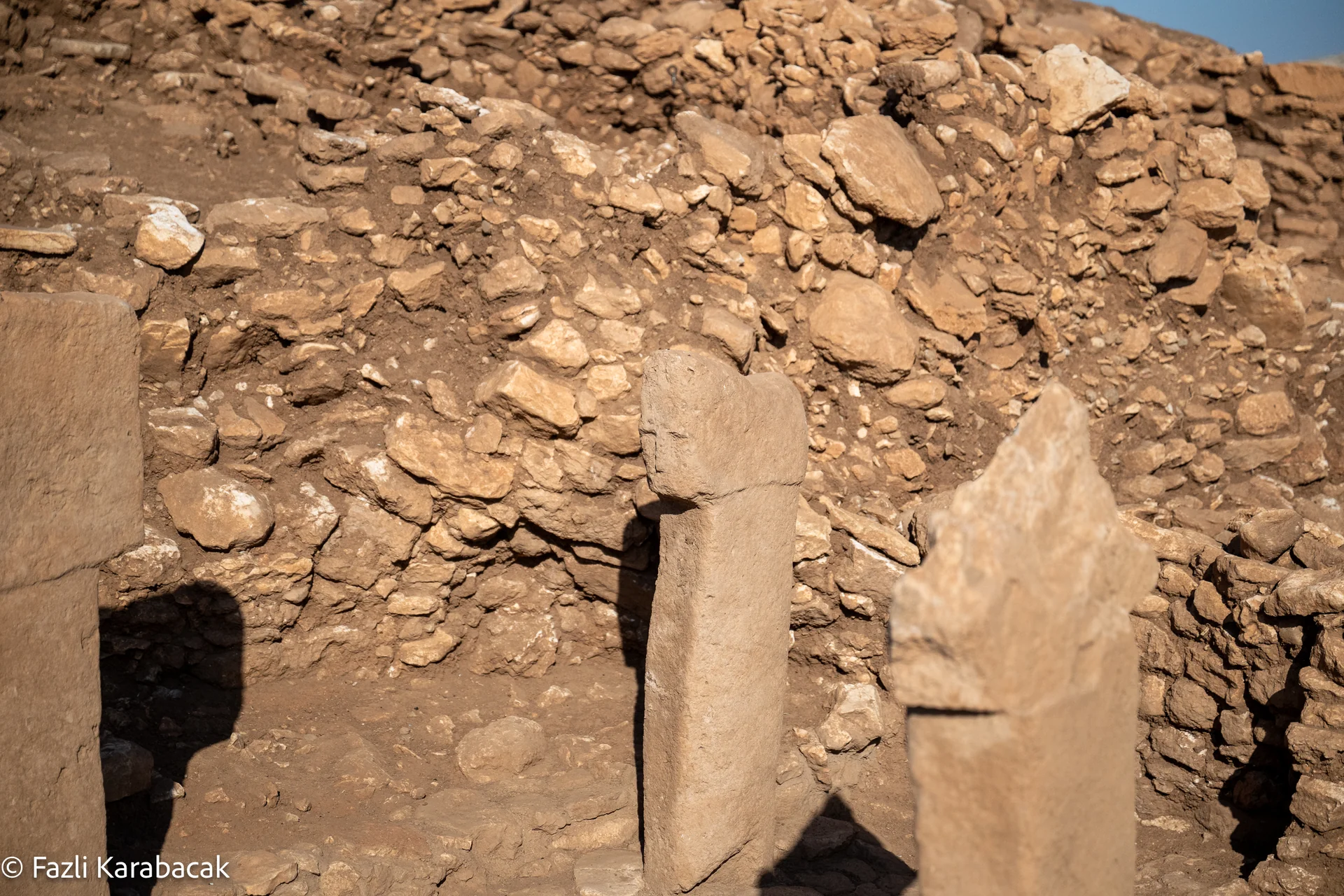
The Karahan Tepe Sitting Man: The 2.3-Metre Statue Found in 2023
What the official 2023 report confirms about Karahan Tepe's seated statue, and why its exact age and meaning remain open.
 symbolism
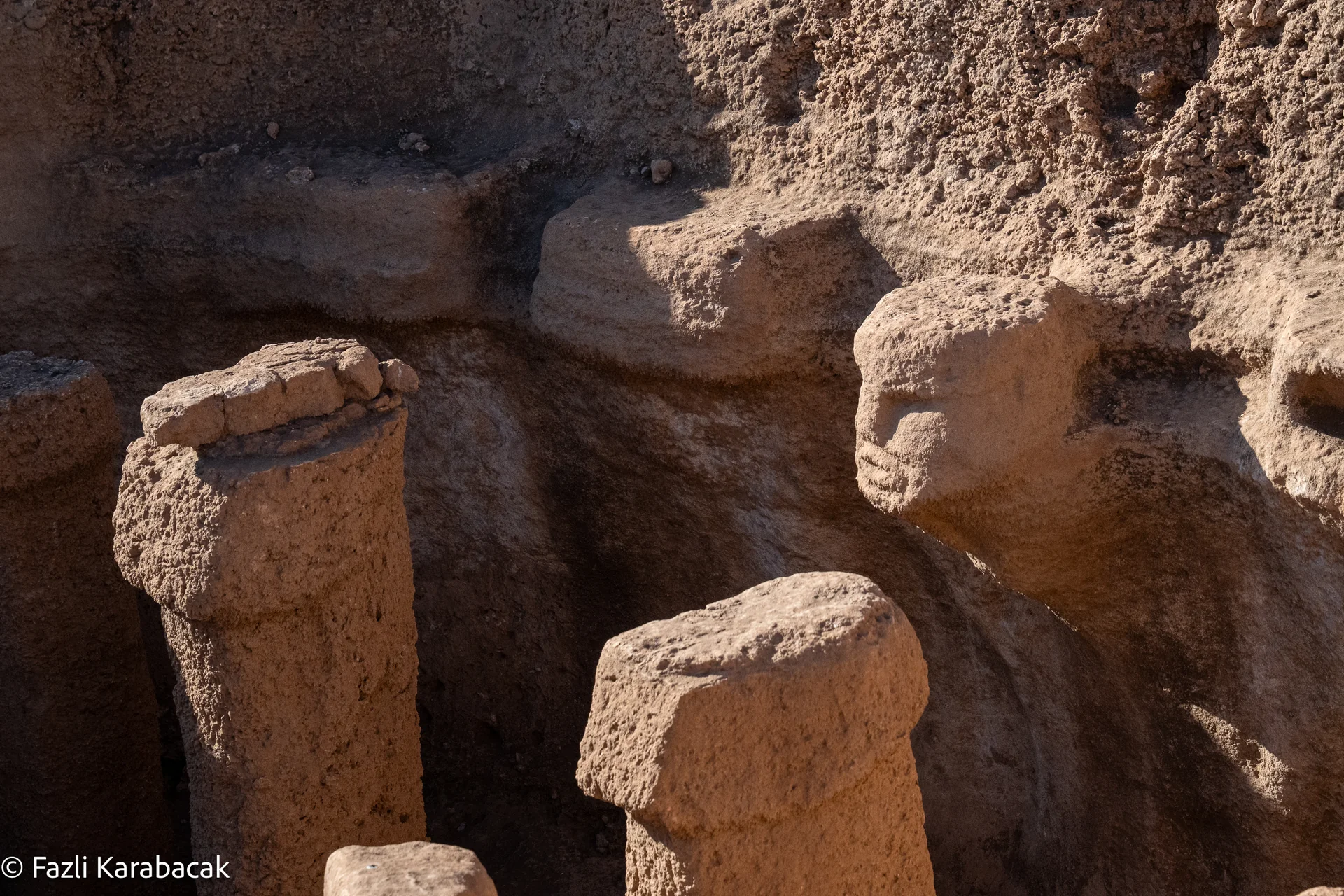
 Karahan Tepe and the World: Global Parallels as Modern Analogies
Compare Karahan Tepe with distant sculptural traditions while distinguishing visual analogy from evidence of historical contact.
 travel-guide
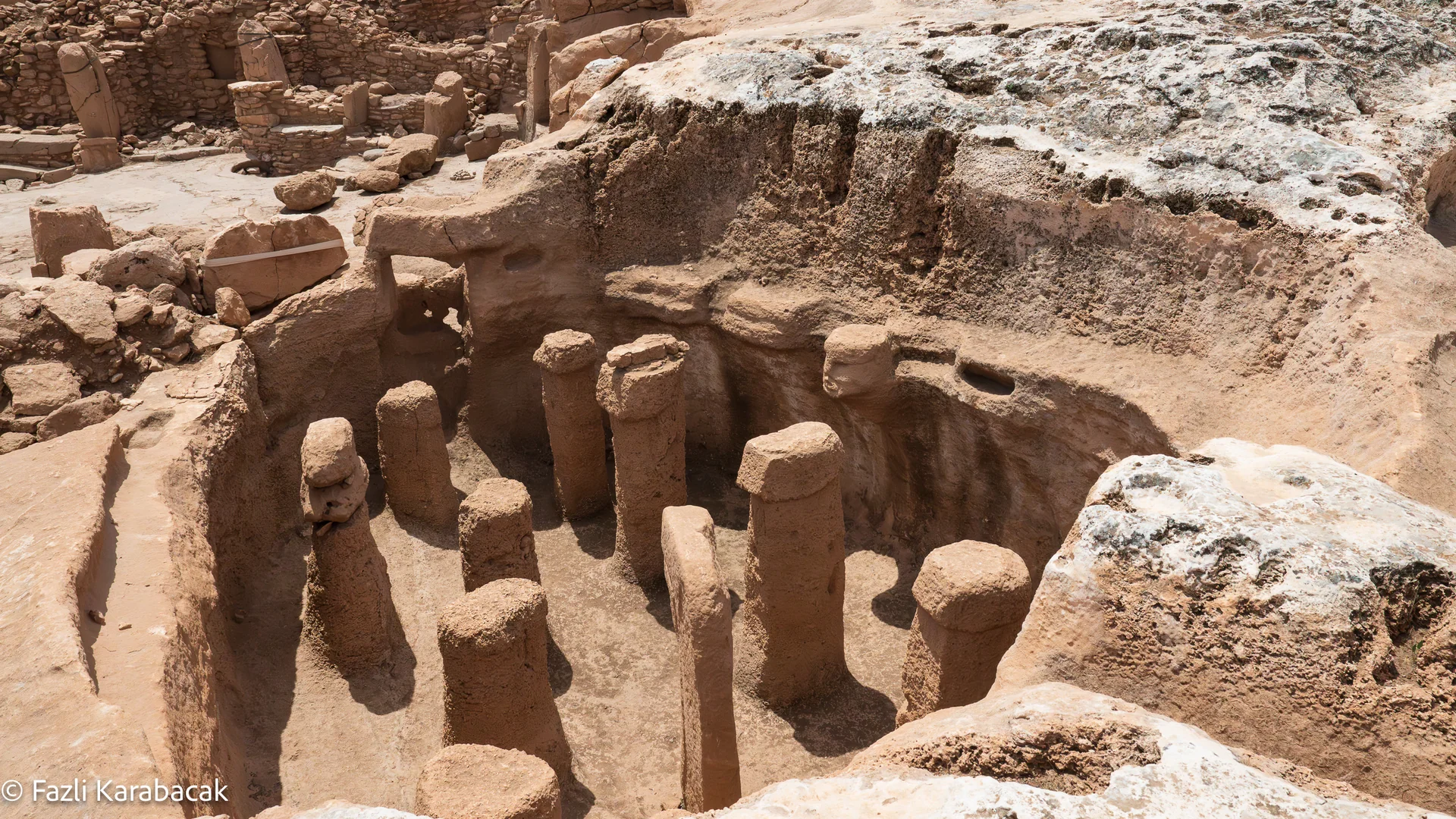
 Şanlıurfa Archaeology Museum: Essential Before Karahan Tepe
The Şanlıurfa Archaeological Museum houses the world's finest Neolithic collection. Why you should visit before Karahan Tepe.
 symbolism
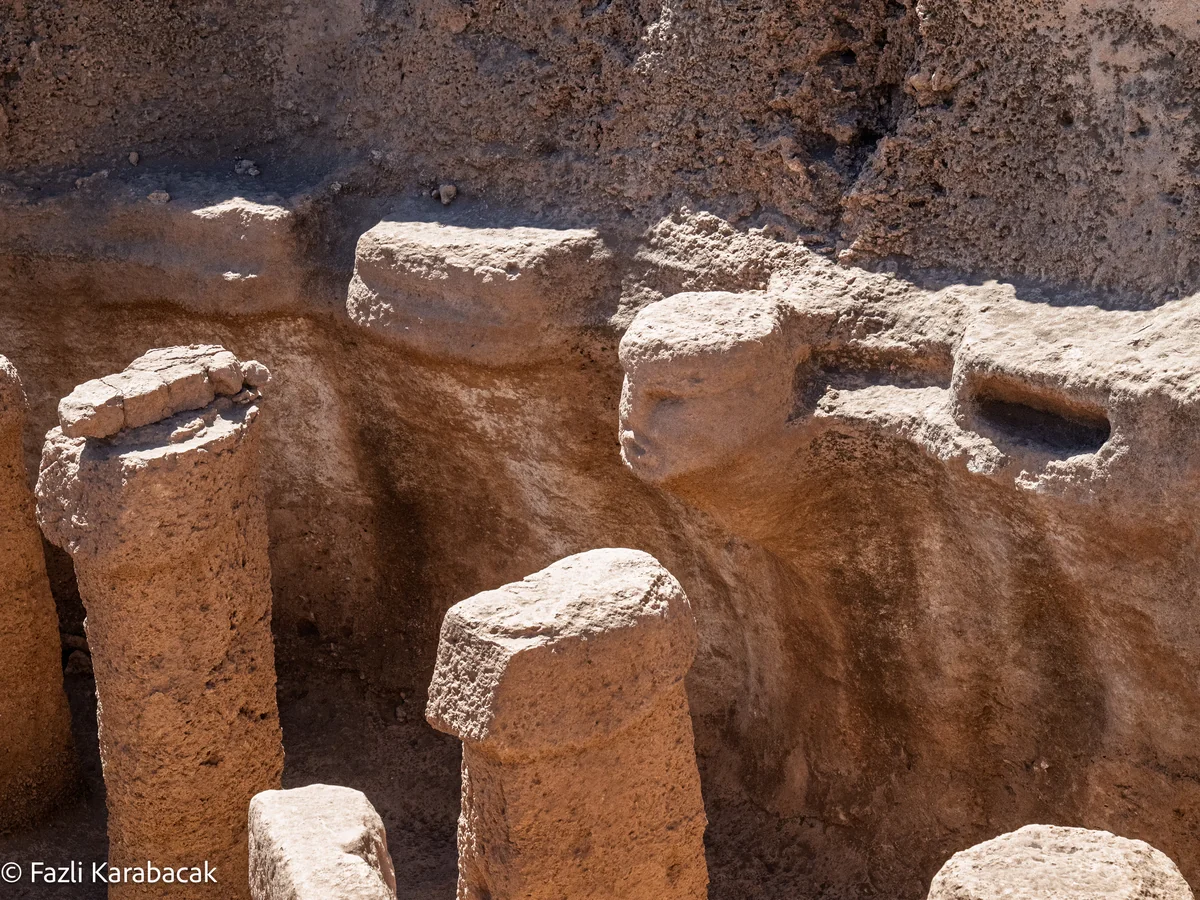
 Snakes, Lions, and Foxes: Animal Carvings at Karahan Tepe
Explore animal imagery at Karahan Tepe and the hypotheses about its meaning, from serpent symbolism to possible protective or seasonal associations.
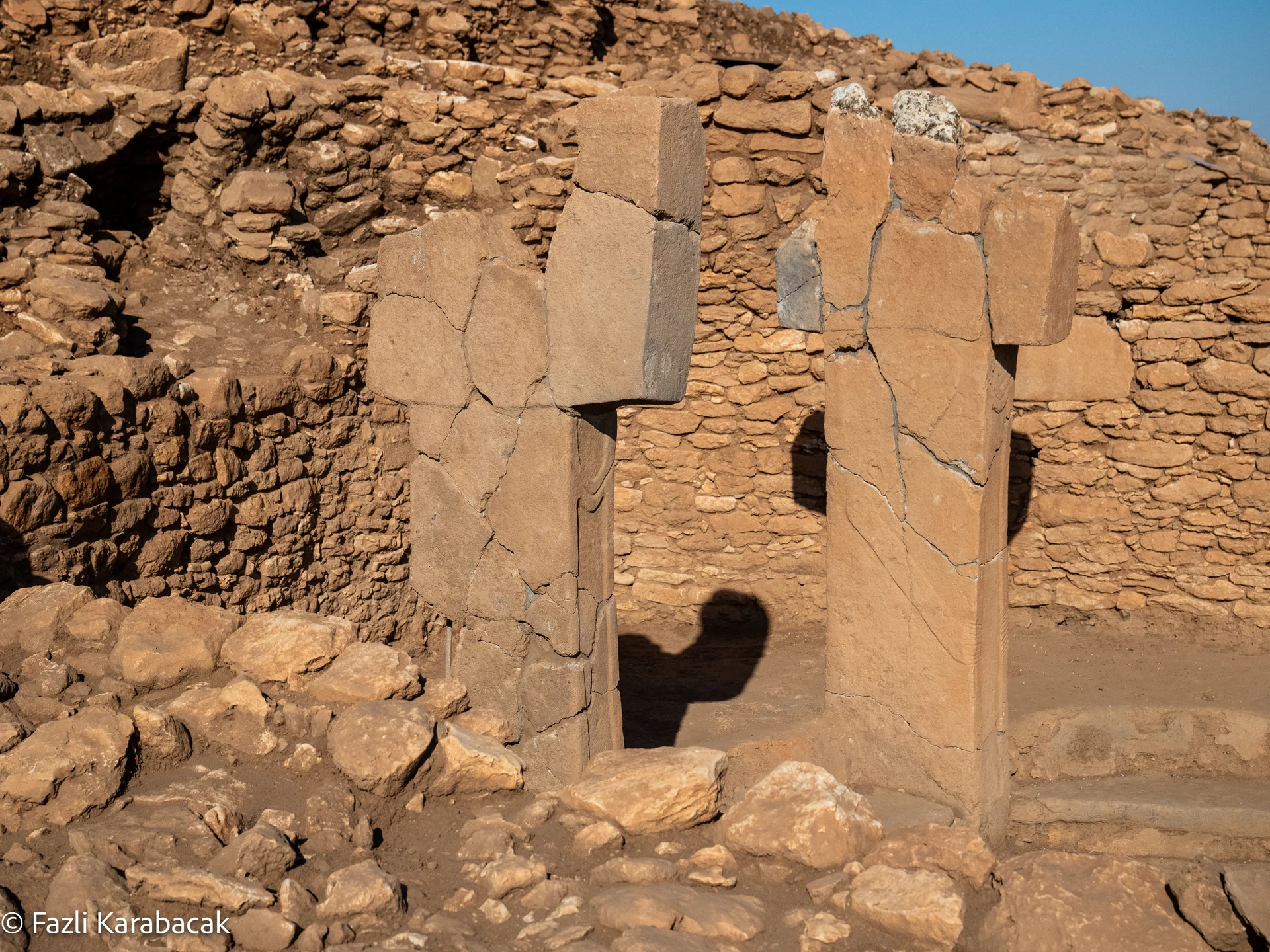 environment
 Wildlife of the Neolithic: Animals and Plants Around Karahan Tepe
Discover the rich ecosystem that surrounded Karahan Tepe's builders — from wild gazelles and aurochs to einkorn wheat.
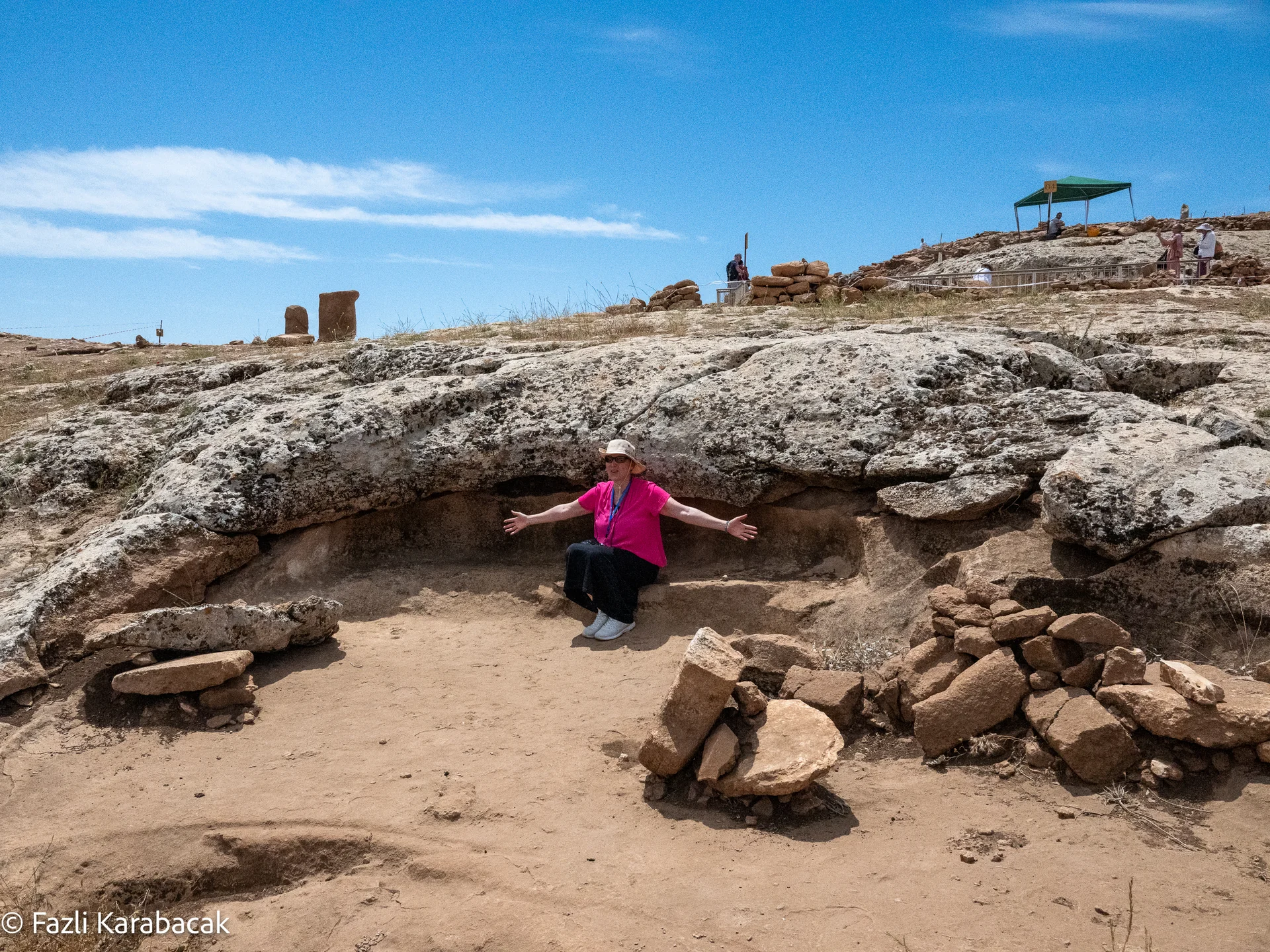 environment
 The Landscape That Shaped Karahan Tepe
How did the geography, climate, and terrain of the Tektek Mountains influence the builders of Karahan Tepe?
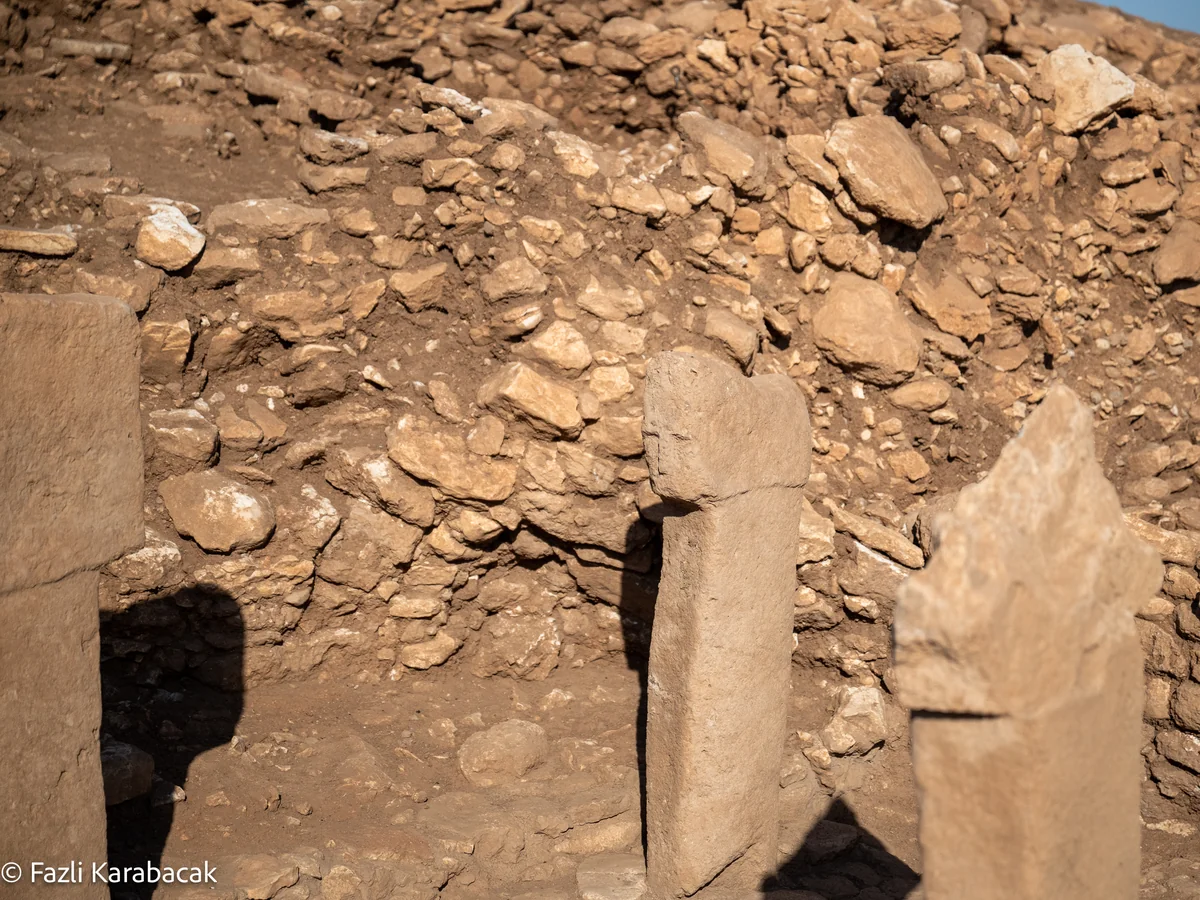 archaeoastronomy
 Karahan Tepe: A Temple of the Stars? Exploring the Hypothesis
Explore speculative star-alignment and cup-mark interpretations at Karahan Tepe, and the evidence needed to test them.
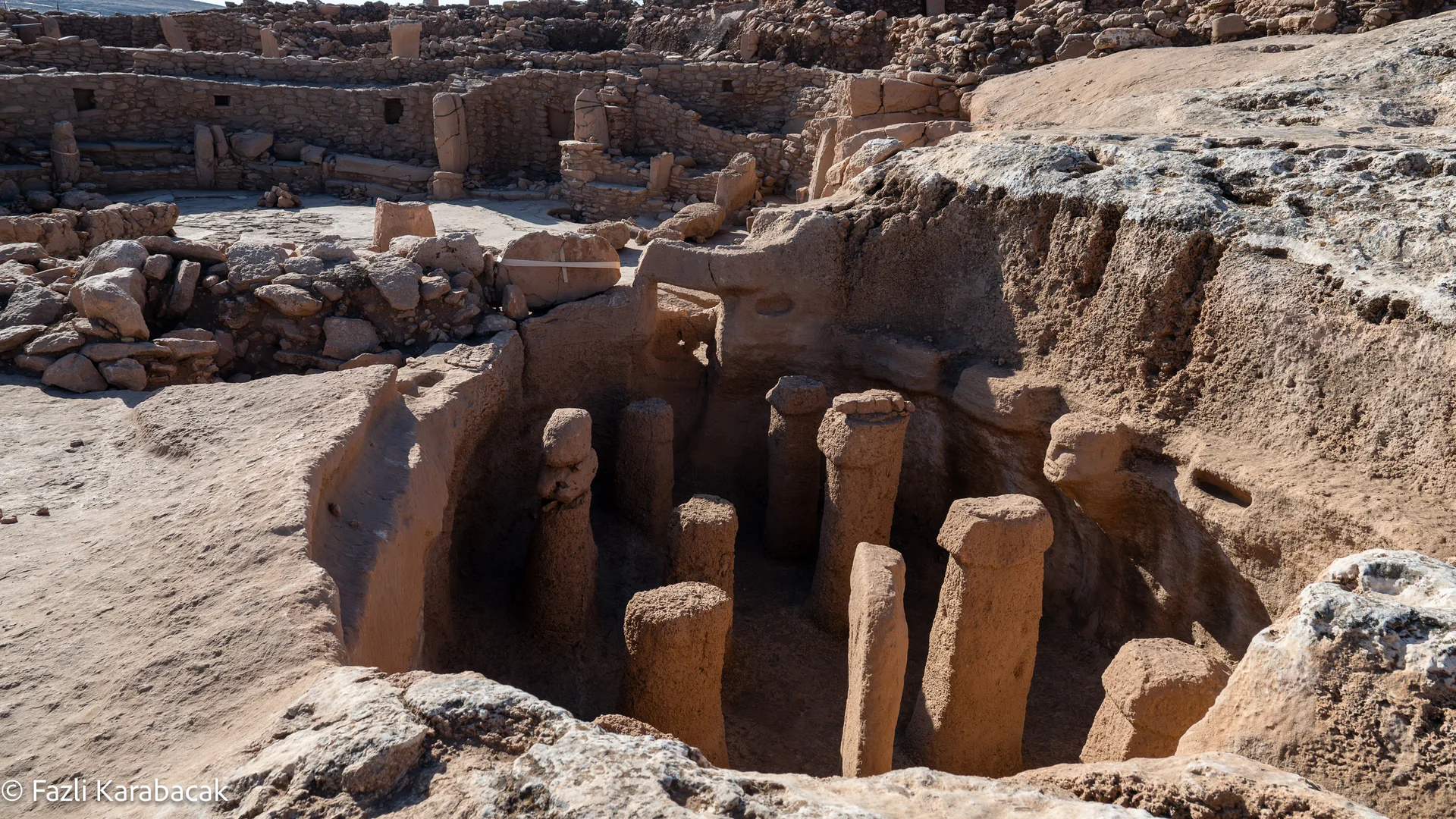 symbolism
 Structure AB and the Tree of Life: A Speculative Comparison
A modern hypothesis compares Karahan Tepe's pillars with the Kabbalistic Tree of Life. Explore the analogy and its archaeological limits.
 archaeoastronomy
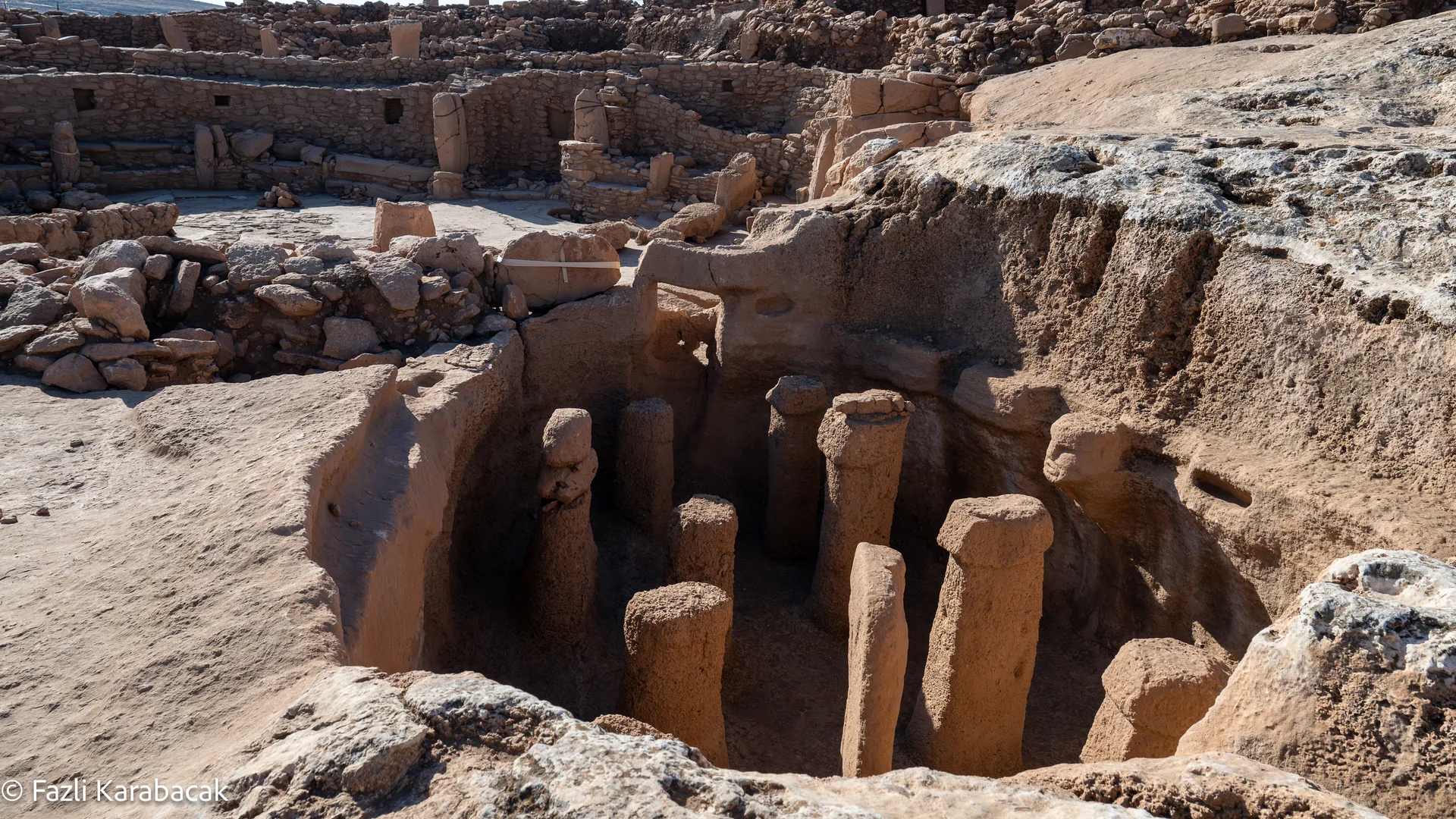
 Karahan Tepe's Winter Solstice Alignment: Evidence and Hypothesis
A reported sunrise illumination in Structure AB raises an intriguing hypothesis. What would establish an intentional Neolithic solstice alignment?
archaeology Karahan Tepe's Three Rooms: The Great Ellipse, the Pillars Shrine, and the Pit Shrine
Explore Structures AD, AB and AA at Karahan Tepe: recorded rock-cut architecture and the hypothesis of a ceremonial route between rooms.