Skip to content
Karahantepe
Karahantepe archaeological excavation site

Structures & Sculptures at Karahantepe

What Has Been Found

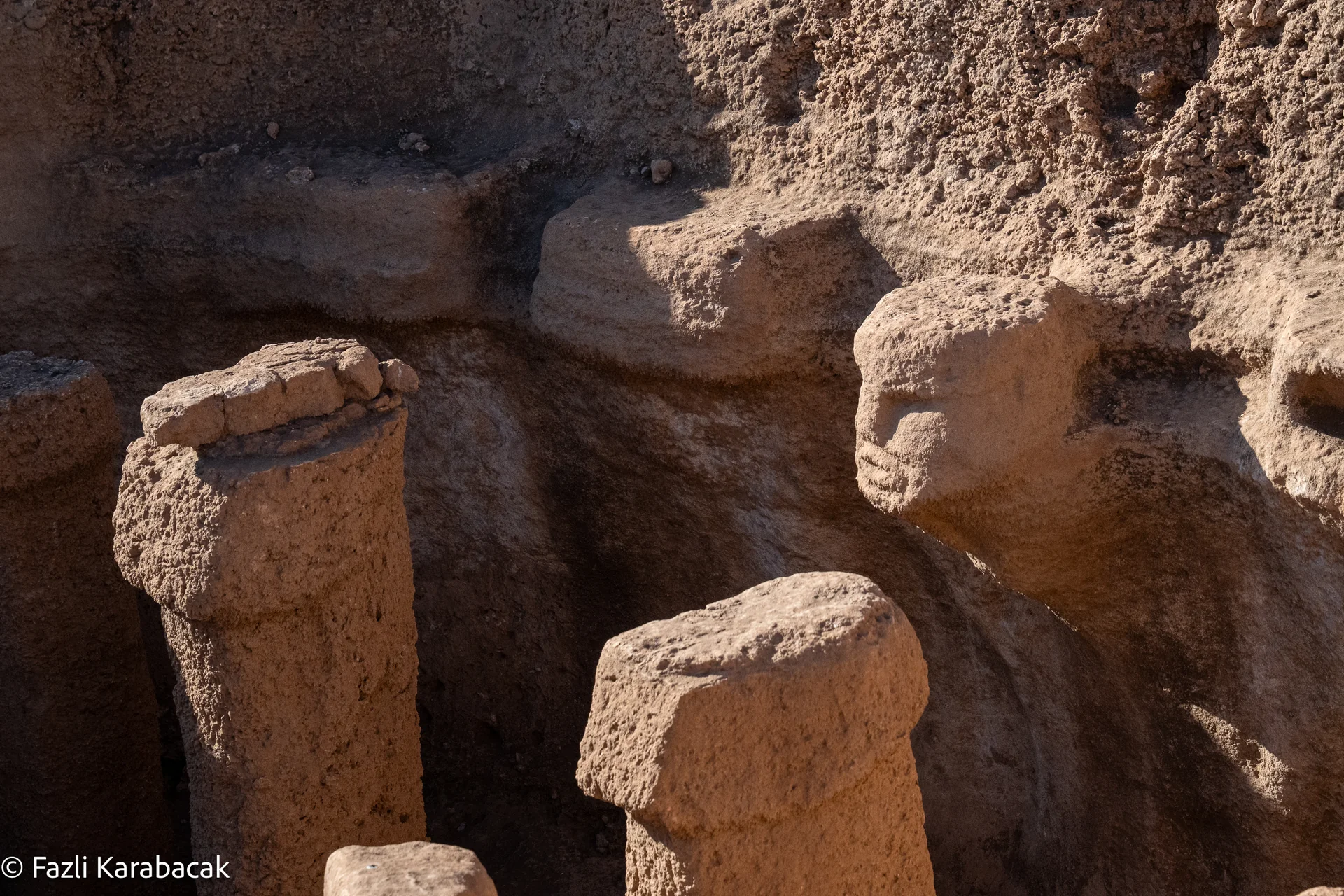
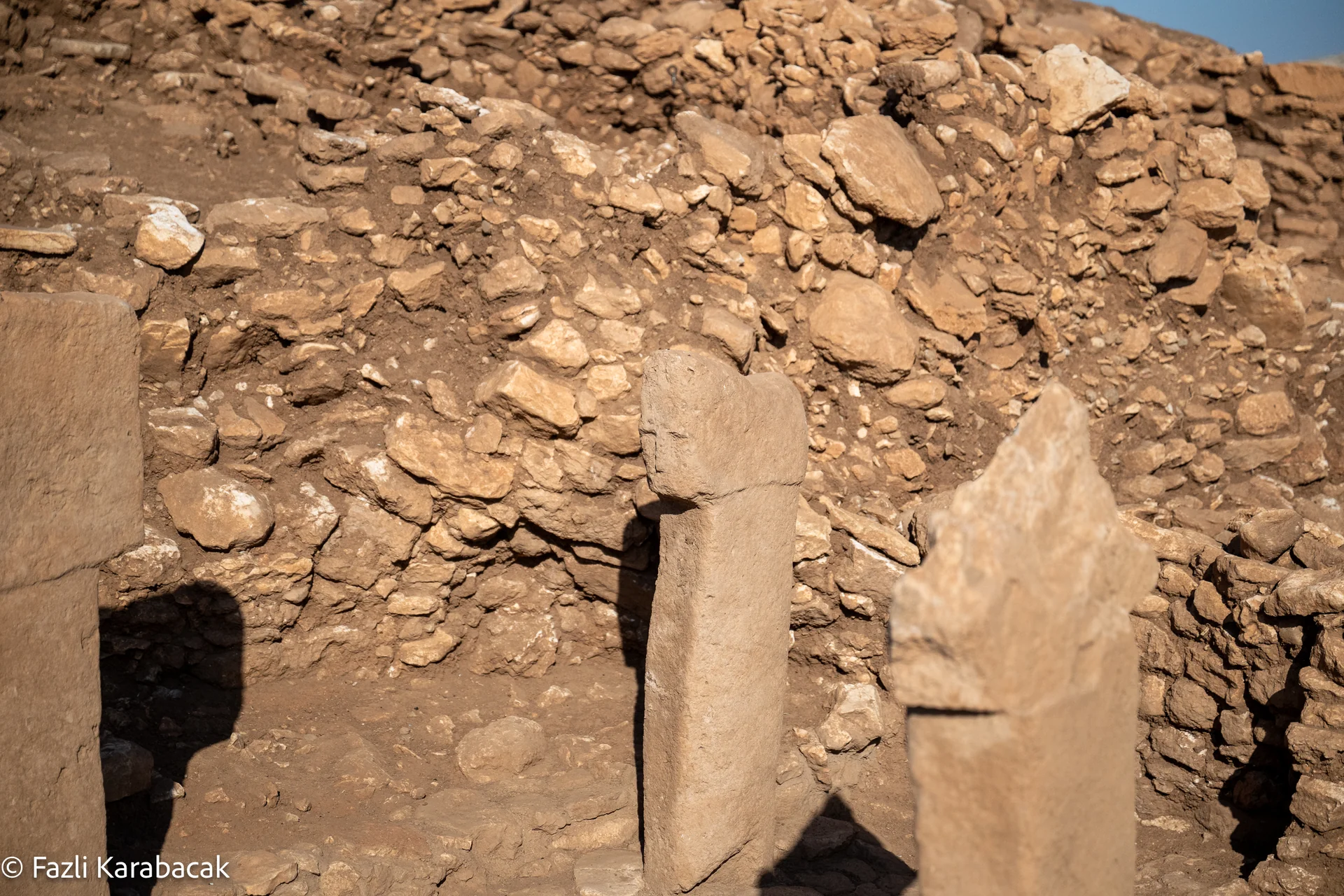
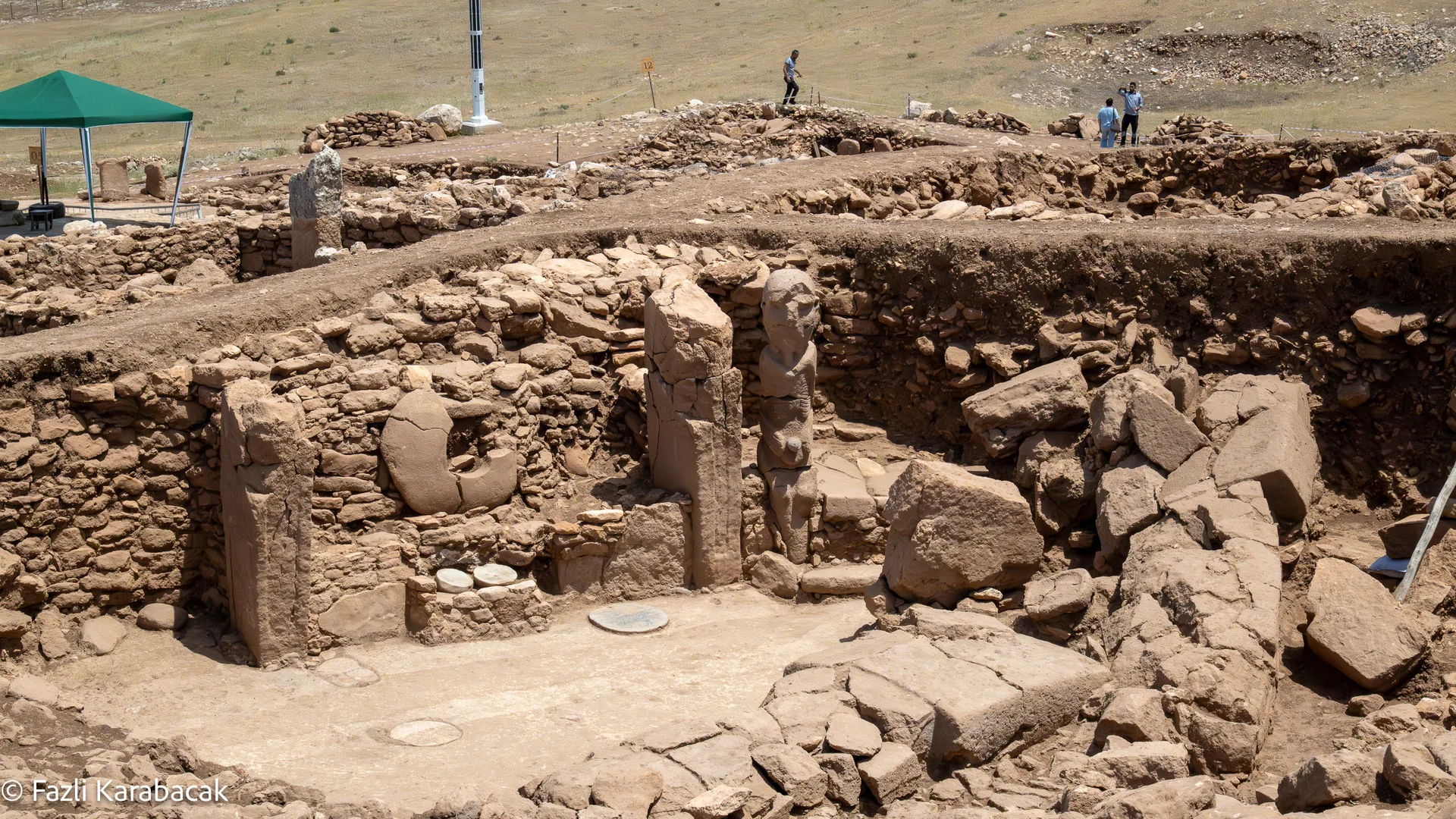
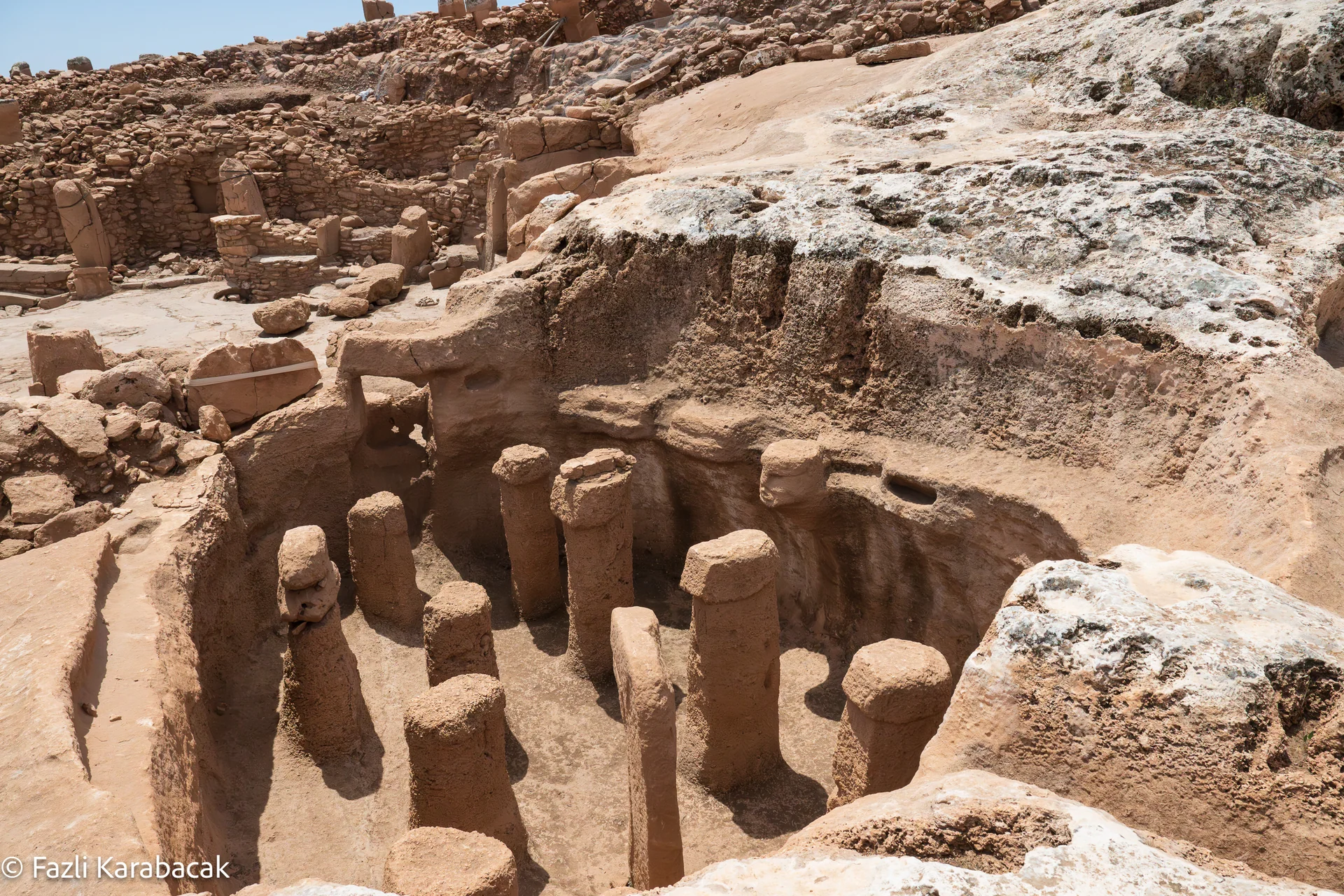
Excavations at Karahantepe have revealed a complex of semi-subterranean chambers, T-shaped pillars, sculptures, and walls adorned with animal reliefs. The architecture combines rock-cut features with masonry and separately installed pillars. Structure AB's ten bedrock pillars are phallus-shaped, not T-shaped; its wall head is distinct from the seated statue announced in 2023.

Geophysical surveys indicate that the excavated areas represent only a small fraction of what lies beneath the surface. More than 250 T-shaped pillars have been identified across the site, most of them still unexcavated. Each new season brings additional structures, sculptures, and architectural features that deepen our understanding of this extraordinary Neolithic complex.

Beyond the Headlines

While the pillar shrine and carved heads attract the most attention, Karahantepe has yielded other remarkable features. Channels and basins cut into the bedrock raise questions about water management and special activities. Their form alone does not establish their use. Karul's 2021 report (PDF) documents a serpentine channel opening into AB from the north.

Stone benches lining some chambers imply communal gathering. Cupmarks (small circular hollows) ground into floor surfaces may have served ritual or practical purposes. And accumulations of animal bone and stone tools around the structures provide vital clues about the daily activities and diet of the people who used these spaces.

Prof. Necmi Karul's team has also identified what appear to be quarry areas on the margins of the site, where unfinished pillars and abandoned blocks reveal the step-by-step process by which Neolithic masons extracted and shaped the massive stones.

See These Structures in Person

Photographs cannot capture the scale and atmosphere of Karahantepe's chambers. Use the designated visitor routes to view these Neolithic structures without entering the excavations.