Quick Answer
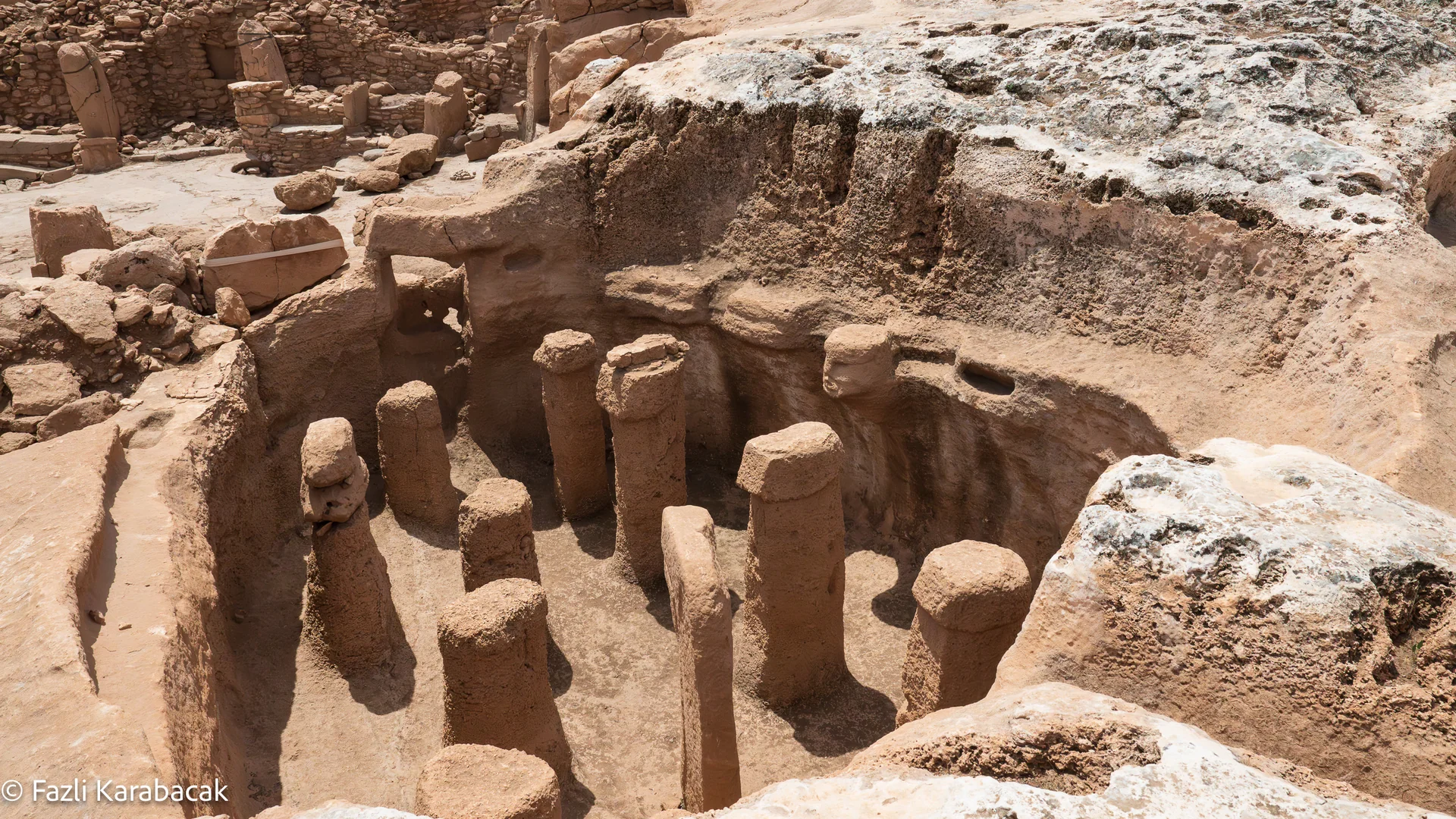
The Şanlıurfa Archaeological Museum, opened in 2015, houses one of the world’s finest Pre-Pottery Neolithic collections with artifacts from Karahan Tepe, Göbekli Tepe, Nevali Çori, and neighbouring sites. The museum’s centerpiece is the Urfa Man — a 9,000-year-old limestone figure with obsidian eyes — which provides crucial context for understanding the Sitting Man at Karahan Tepe. Full-scale reconstructions of Göbekli Tepe’s Enclosure D and Nevali Çori’s cult building convey spatial relationships impossible to grasp at the actual sites. I recommend visiting the museum before visiting Karahan Tepe itself: the artifacts, reconstructions, and broader collection provide essential context that transforms the site experience from “impressive ruins” to profound understanding of Pre-Pottery Neolithic society.
I always tell my tour groups the same thing: do not go to Karahan Tepe first. Go to the museum. The Şanlıurfa Archaeological Museum is not just a helpful introduction — it is essential context that transforms your experience of the sites from impressive to profound.
The museum opened on May 27, 2015, and I have been bringing groups here ever since. It is a massive modern building housing one of the most important archaeological collections in the world, with hundreds of artifacts from Göbekli Tepe, Nevali Çori, Karahan Tepe, and other Neolithic sites in the region. Nothing else like it exists anywhere.
The Building and the Collection
The Şanlıurfa Archaeological Museum is large — genuinely large. It occupies a modern purpose-built structure with extensive gallery space organized chronologically, from the earliest Neolithic finds through the Bronze Age and into classical antiquity. But the Neolithic galleries are the reason to visit, and they are world-class.
The artifacts are presented in well-lit cases with clear labels in Turkish and English. Full-scale reconstructions of Göbekli Tepe’s Enclosure D — with its ring of twelve T-shaped pillars and twin central monoliths standing 5.5 meters high — give visitors a sense of scale that photographs cannot convey. A stone-by-stone reconstruction of Nevali Çori’s cult building preserves architecture that would otherwise be lost (the original site was drowned by the Atatürk Dam reservoir).
Urfa Man: The World’s Oldest Full-Size Human Statue
The museum’s most celebrated artifact is the Urfa Man (also called the Balıklıgöl Statue) — a bald-headed limestone figure with obsidian inlaid eyes. Dating to approximately 9,000 BCE, it is one of the oldest known full-size human statues. The figure has no mouth, a V-shaped chest carved in low relief, and hands placed over what may be the naval area. The obsidian eyes give it a startlingly alive quality that surprises virtually every visitor.
The Urfa Man provides direct context for the Sitting Man at Karahan Tepe. Both are life-sized stone figures from the same Pre-Pottery Neolithic period. Seeing one after the other reveals both the shared sculptural tradition and the striking differences in artistic approach and symbolic intent.
Key Neolithic Artifacts
Beyond the Urfa Man, the museum displays a wealth of Neolithic objects that illuminate the world of Karahan Tepe’s builders. A carved stone head from Nevali Çori shows a snake-like ponytail — echoing the serpent imagery that dominates Karahan Tepe. Stone totem posts from multiple sites demonstrate the range of Neolithic sculptural expression.
A slab described as a possible “goddess” figure — depicting a woman with exaggerated features and a crescent-shaped head — represents the female dimension of Neolithic symbolism that is largely absent from the pillar sites. Mini T-shaped stones, carved animals, stone bowls, and a remarkable bowl fragment showing dancing figures alongside a standing turtle give visitors a sense of daily and ritual life.
The carved stone heads — smaller portrait-like objects with individualized features — suggest that Neolithic communities in this region were interested in representing specific people or types of people, not just abstract symbols. This personalization makes the Neolithic world feel more immediate and human.
The Enclosure D Reconstruction
The full-scale reconstruction of Göbekli Tepe’s Enclosure D is a centerpiece of the museum experience. Walking among the reconstructed pillars, you gain an understanding of spatial relationships that is impossible to achieve at the actual site, where the protective shelter and elevated walkways keep visitors at a distance.
At the center of the reconstruction, a “holed stone” — a slab with a circular opening — sits as a focal point. This type of feature, known as a seelenloch or “soul hole,” appears at multiple Neolithic sites and is interpreted as a symbolic portal between worlds. The same concept appears in the circular slab behind the Sitting Man at Karahan Tepe.
The Nevali Çori Reconstruction
Nevali Çori was a Pre-Pottery Neolithic village site on the Euphrates river, excavated in the 1980s and early 1990s before it was flooded by the Atatürk Dam. The museum preserves a stone-by-stone reconstruction of its cult building, including a single surviving twin monolith that provides important comparative material for understanding the pillar traditions at both Göbekli Tepe and Karahan Tepe.
The loss of Nevali Çori to the dam reservoir makes this reconstruction not just informative but irreplaceable. It is a sobering reminder of how much archaeological heritage has been lost to modern development.
Planning Your Museum Visit
The museum is located in Şanlıurfa city center and is easily reachable by taxi or on foot from the old town. Allow at least two to three hours for a thorough visit — more if you are particularly interested in the Neolithic galleries. The museum has a café and gift shop.
My recommended itinerary: arrive in Şanlıurfa, visit the museum on your first afternoon, then visit Göbekli Tepe and Karahan Tepe on subsequent days. This sequence builds understanding progressively — museum context, then Göbekli Tepe’s more accessible site, then Karahan Tepe’s deeper complexity.
Photography is generally permitted inside the museum, though flash photography may be restricted in certain areas. Check current policies at the entrance.
Frequently Asked Questions
Where is the Şanlıurfa Archaeological Museum? In the center of Şanlıurfa, southeastern Turkey. It is accessible by taxi or on foot from the old town.
What is the Urfa Man? A bald-headed limestone statue with obsidian eyes, dating to approximately 9,000 BCE — one of the oldest known full-size human statues in the world.
How long should I spend at the museum? At least two to three hours for the Neolithic galleries. Budget additional time if you want to see the Bronze Age and classical collections.
Should I visit the museum before or after Karahan Tepe? Before. The museum provides essential context that significantly enhances your understanding of the archaeological sites.
Is the museum open every day? Opening hours and days may vary seasonally. Check with local tourism offices or the museum directly for current schedules.