Quick Answer
Karahan Tepe lies southeast of Şanlıurfa and is most easily planned as a car, taxi or guided excursion. Allow roughly an hour each way, depending on route, plus 90 minutes to two hours for an unhurried visit. Confirm current access, opening hours and any admission arrangements before departure; do not rely on an assumed Müzekart entitlement or a quoted gate price. Spring and autumn are generally more comfortable than midsummer. Use the visitor guide for directions and current source links.
Karahantepe is one of the most remarkable archaeological sites on Earth, yet it remains refreshingly uncrowded compared to more established destinations. If you are planning a visit, here is everything you need to know — from getting there to making the most of your time on site.
Getting to Karahantepe
Karahantepe lies in the Tektek Mountains near Keçili, southeast of Şanlıurfa. Do not plan around an unverified direct bus service. Practical options include:
- Guided tour: The most convenient choice. Tours departing from Şanlıurfa typically combine Karahantepe with Göbekli Tepe in a full-day itinerary, and a knowledgeable guide will bring the stone-carved chambers to life in a way that wandering alone cannot.
- Private car or taxi: Allow roughly an hour from Şanlıurfa, depending on route and conditions. Arrange a round-trip fare including waiting time before departure.
- Rental car: Available at Şanlıurfa GAP Airport. The route is straightforward. Set your GPS for “Karahantepe Örenyeri” and follow signs from the Tek Tek Mountains turnoff.
Best Times to Visit
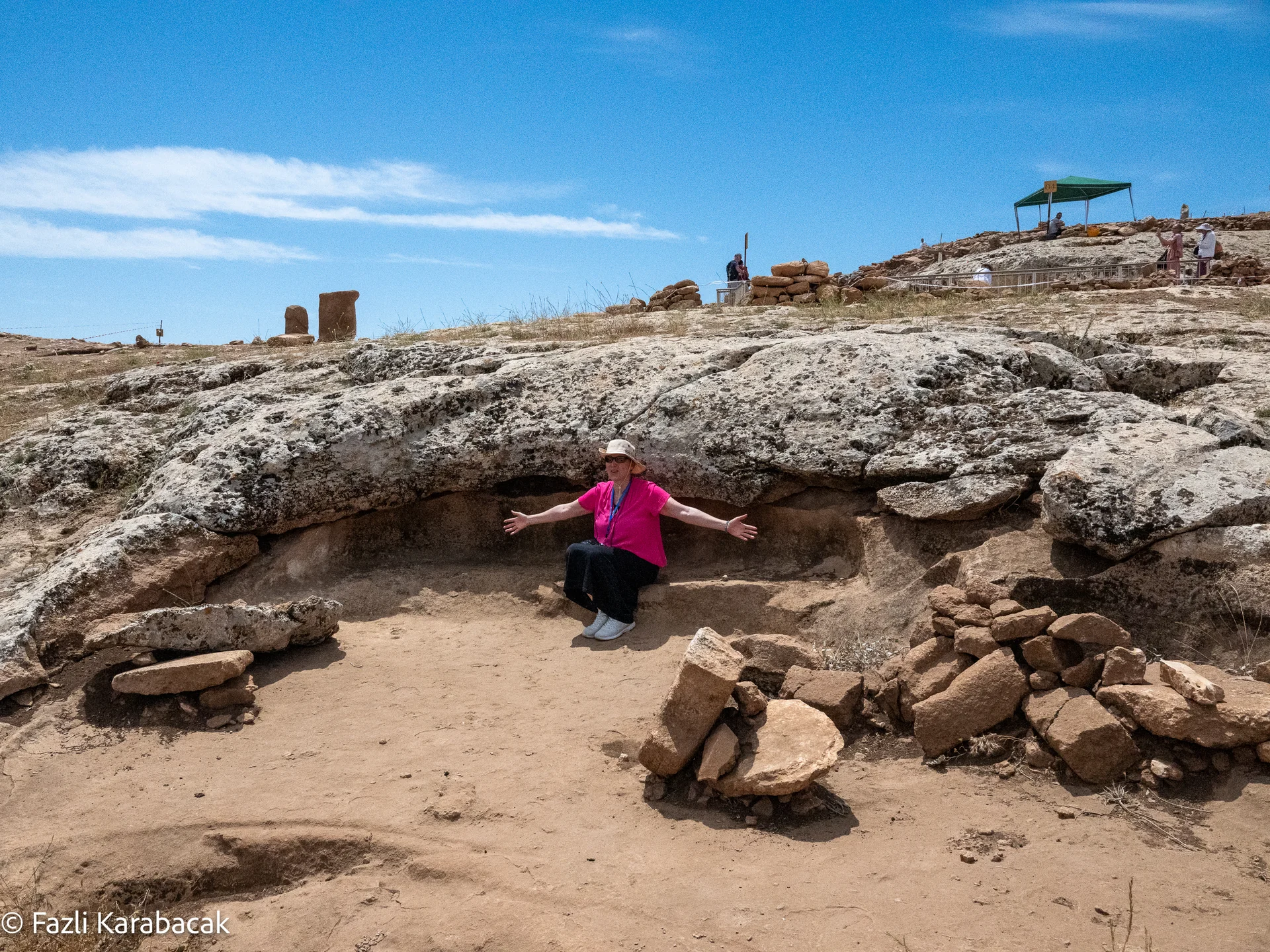
South-east Turkey has a continental climate, and summer temperatures in Şanlıurfa regularly exceed 40 °C. The site is largely exposed, with minimal shade.
- Best months: March to May and September to November. Temperatures are mild, the light is beautiful for photography, and the landscape is at its most atmospheric.
- Avoid: June to August unless you handle extreme heat well. If you must visit in summer, arrive right when the site opens in the morning.
- Winter: December to February can be cold and occasionally wet, but visitor numbers are very low, which has its own appeal.
Confirm the day’s access and opening hours with site management or local tourism officials. Do not assume sunrise or sunset access; conservation work and excavation can affect visitor routes.
Tickets and Entry
Do not assume a specific ticket price, gate-sale arrangement or Müzekart acceptance without current confirmation. Check the visitor guide’s official sources and ask the site or your operator about access, fees if any, payment methods and restrictions for the day of your visit.
What to Expect on Site
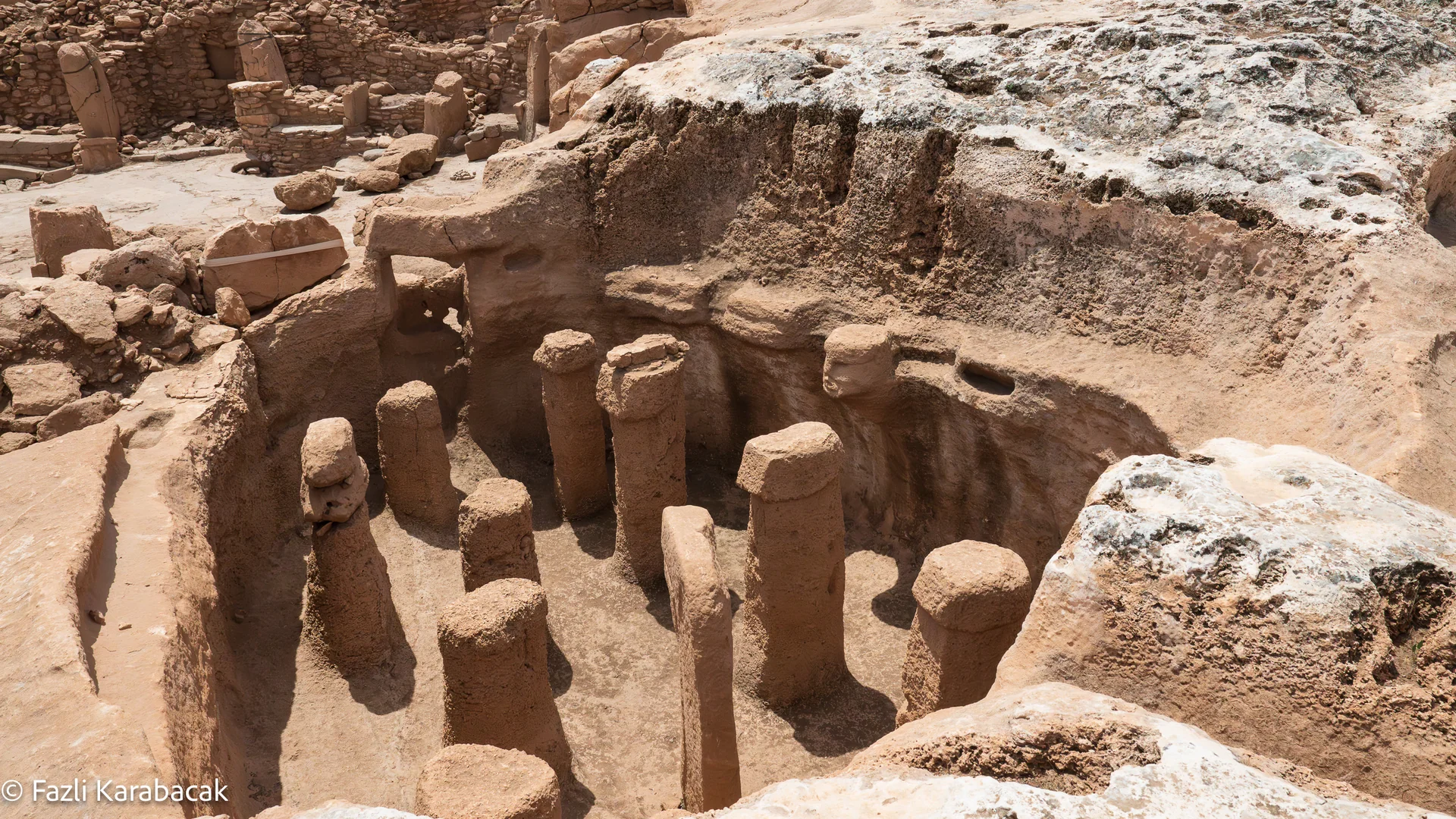
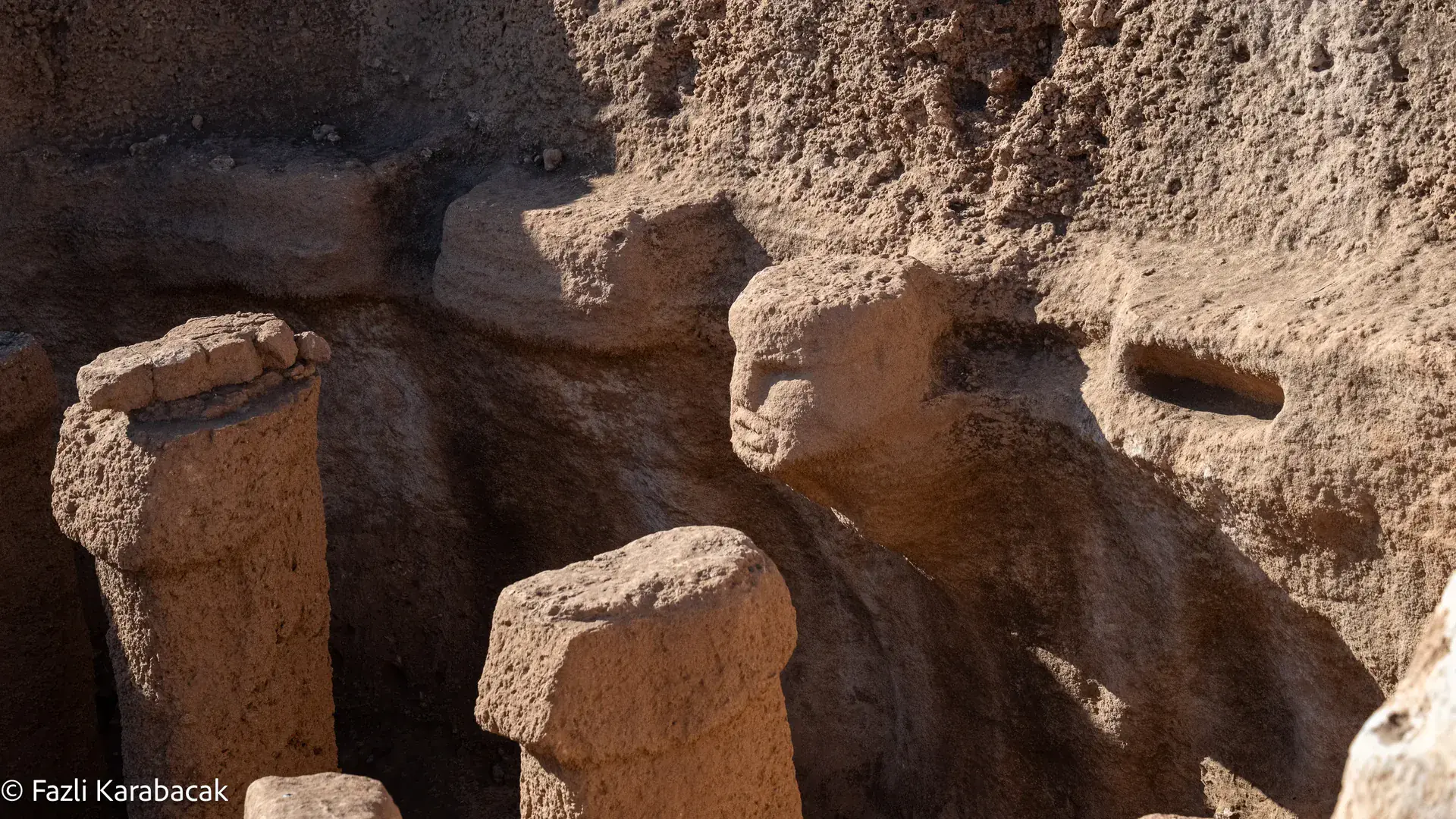
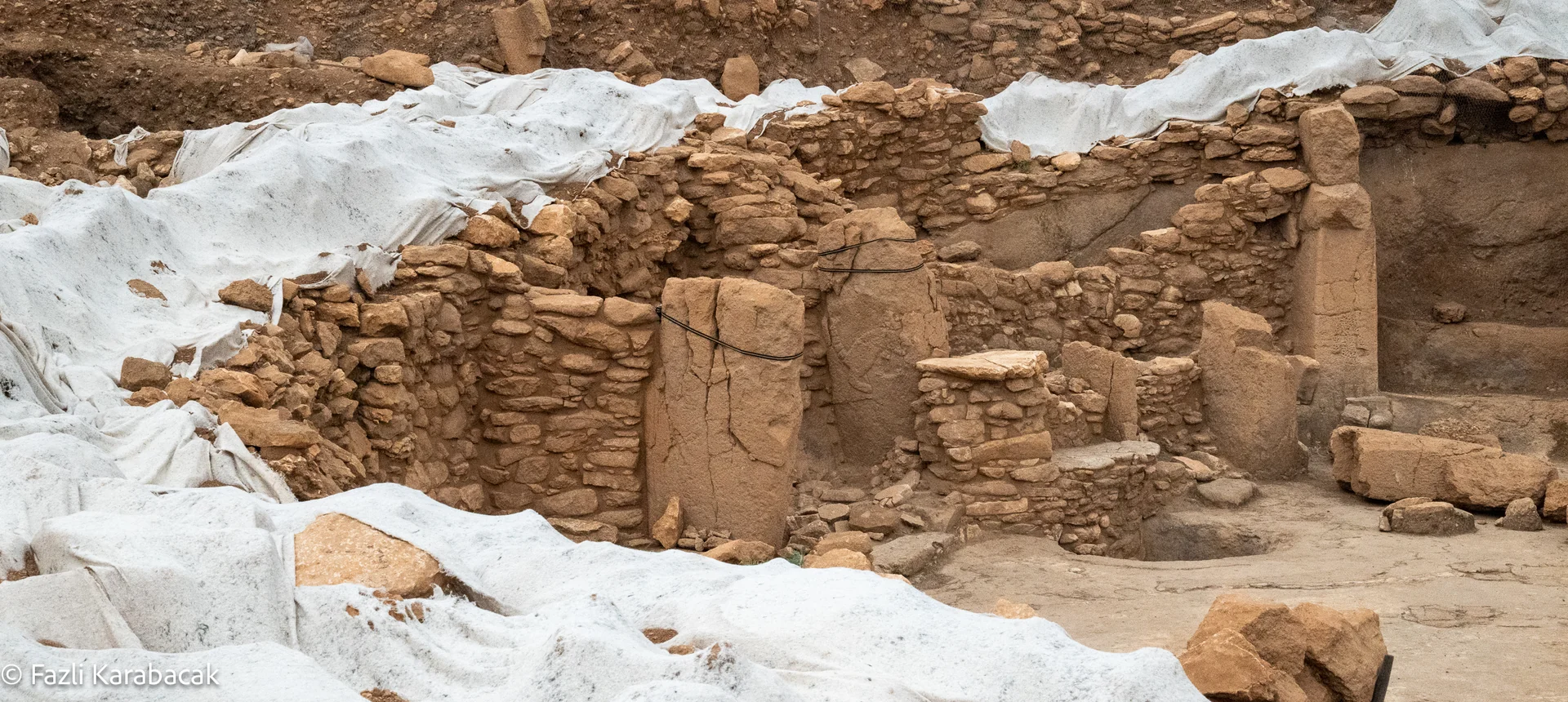
Follow designated visitor routes and staff instructions. Which structures can be viewed may change; do not enter excavated chambers or assume every new find is on display. Read the Structure AB guide beforehand to distinguish its wall head and phallic pillars from the separate seated statue announced in 2023.
Allow 90 minutes to two hours for an unhurried visit, adjusting to the areas currently accessible.
What to Wear and Bring
- Sturdy shoes: The ground is uneven limestone and dusty soil. Sandals are not ideal.
- Sun protection: Hat, sunscreen, and sunglasses are essential for most of the year.
- Water: Bring your own; do not depend on refreshments being available.
- Camera: Check posted photography rules and staff instructions. Do not assume permission for drones or access beyond barriers.
Combining with Göbekli Tepe
A combined visit can fit into a full day from Şanlıurfa if both sites’ current hours allow it. Plan road travel separately from straight-line distances and leave time for lunch. Confirm opening times for each site rather than assuming the same schedule.
If you only have time for one site, Göbekli Tepe currently has more exposed architecture, but Karahantepe’s Pillar Shrine is arguably the single most atmospheric space at any Taş Tepeler site.
Tips from Experience
- Hire a guide. The stones are magnificent, but without context they are just stones. A guide — whether through a tour company or a local licensed guide in Şanlıurfa — transforms the experience.
- Visit the Şanlıurfa Archaeology Museum. Its regional Neolithic collection provides essential context. Confirm any particular object’s current display rather than assuming every Karahantepe find is present.
- Allow two days in Şanlıurfa. The city itself is ancient and fascinating — the old bazaar, the Balıklıgöl (Pool of Sacred Fish), and the castle hill all reward exploration.
- Respect the site. Stay on marked paths, do not touch the carvings, and follow all posted guidelines. These are irreplaceable remnants of humanity’s earliest monumental architecture.
Frequently Asked Questions
Is there public transport to Karahan Tepe? Do not rely on a direct service without checking locally. A car, hired taxi or organised tour is the simpler planning option.
How much time should I budget for a visit? About 90 minutes to two hours on site, plus roughly an hour each way from Şanlıurfa depending on route. If combining with Göbekli Tepe, plan a full day.
What are the best months to visit? March to May and September to November offer mild temperatures and excellent conditions. Avoid June to August unless you tolerate extreme heat (temperatures regularly exceed 40°C).
Can I visit Karahan Tepe in winter? Winter travel may be possible when the site is accessible, but confirm access and weather before departure. Bring warm clothing and do not assume early-morning entry for a solstice visit.
Should I hire a guide? A licensed guide can explain the evidence and distinguish it from hypotheses. For guided travel, see Serendipity Turkey.
Can I combine Karahan Tepe with other sites? Yes, subject to current access and travel time. A separate museum visit often gives more breathing room than trying to fit two sites and the full collection into one day.